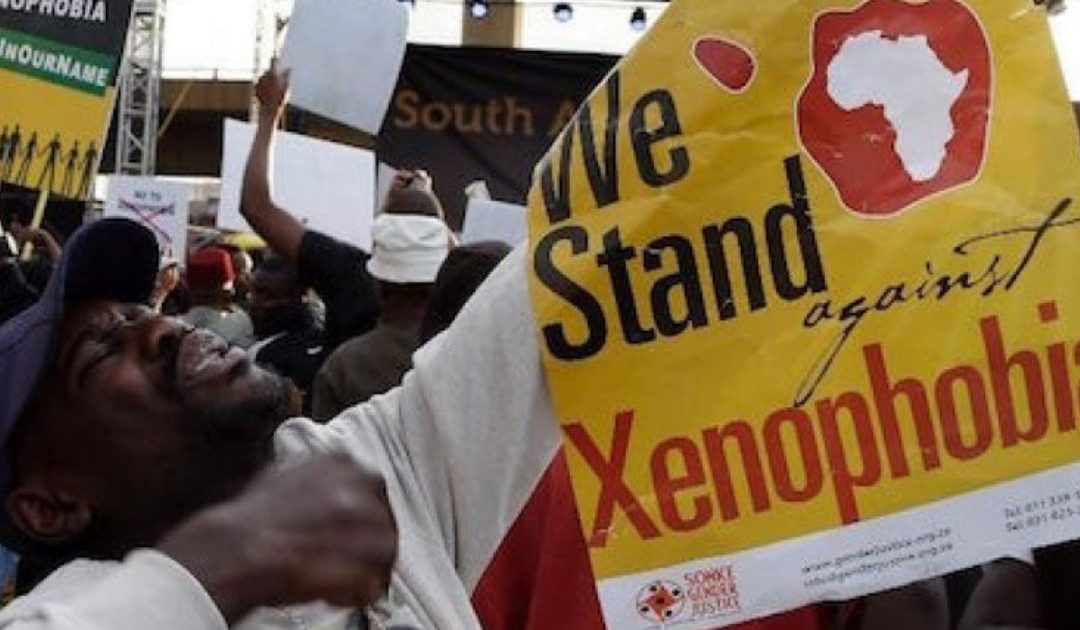
Continental Outcry: 10 African Nations React to South Africa’s Xenophobia Crisis
A Continent Divided by Xenophobia
The recent resurgence of xenophobic violence and anti-foreigner sentiment in South Africa has sent ripples across the African continent, sparking a diverse range of diplomatic and social reactions. What began as localized protests has escalated into a broader continental debate about migration, governance, and the very principles of Pan-African unity. This article curates the responses from ten different African nations, highlighting the varied approaches and underlying tensions that define this complex issue.
1. Ghana: Leading the Diplomatic Charge
Ghana has emerged as a vocal critic, taking a firm diplomatic stance against the xenophobic attacks. Following reports and viral videos of Ghanaian nationals being assaulted, Ghana’s Foreign Affairs Minister, Samuel Okudzeto Ablakwa, promptly summoned South Africa’s top diplomat in Accra. This decisive action underscores Ghana’s commitment to protecting its citizens abroad and demanding accountability from host nations .
2. Nigeria: Citizens Slam “Weak” Government Response
In Nigeria, the government’s response to the xenophobic incidents has drawn sharp criticism from its citizens. While an advisory was issued urging Nigerians in South Africa to “stay indoors,” many have expressed outrage, contrasting it with Ghana’s more assertive diplomatic measures. This has fueled a perception among Nigerians that their government is failing to adequately protect its diaspora .
3. Zimbabwe: Opposition Calls for Regional Intervention
Zimbabwean opposition leader Nelson Chamisa has framed the violence as a “regional crisis,” not merely a domestic South African issue. He has called for urgent intervention from regional bodies like the Southern African Development Community (SADC) and the African Union (AU), arguing that addressing governance failures in neighboring countries is crucial to stemming the flow of migration and alleviating tensions in South Africa .
4. Malawi: Government Urges Extreme Caution
The Malawian government has responded by advising its citizens residing in South Africa to exercise extreme caution. The primary concern is the safety and well-being of Malawian migrants who often find themselves vulnerable amidst anti-foreigner protests and violence .
5. Zambia: Tensions Rise at the Embassy
Reports from Zambia indicate a growing sense of anger among its citizens regarding the treatment of foreigners in South Africa. This sentiment has led to increased pressure on the Zambian High Commission to ensure the safety of its nationals and to address the rising tensions .
6. Kenya: Monitoring “Digital Borders” and Safety
Kenyan media and authorities are closely monitoring the situation, with a particular focus on South Africa’s evolving immigration policies. The implementation of new technologies like drones and biometrics, dubbed “digital borders,” is being watched for its potential impact on the Kenyan diaspora and the broader implications for African migration .
7. Ethiopia: Civil Society Urges AU Action
Ethiopian civil society groups have voiced strong concerns, calling upon the African Union to take a more proactive role in protecting Ethiopian asylum seekers and migrants. These groups emphasize the increasing vulnerability of their citizens in the current xenophobic climate in South Africa and advocate for adherence to international law .
8. Botswana: Seeking Bilateral Solutions
Botswana is reportedly exploring bilateral agreements with neighboring countries, including Zimbabwe, to manage migration and foster economic cooperation. This strategic move suggests a potential shift towards regional solutions that might bypass the instability and diplomatic challenges currently associated with South Africa .
9. Uganda: Pan-African Parliament Pressure
Ugandan representatives in the Pan-African Parliament have pledged to raise the issue of xenophobia, advocating for South Africa to uphold Pan-African principles of unity and free movement. This legislative pressure aims to ensure that the continent’s foundational values are respected amidst the crisis .
10. Namibia: Monitoring the “Operation New Broom” Impact
Namibia is closely observing South Africa’s “Operation New Broom” and the Revised White Paper on Immigration. These policy changes are expected to have significant implications for Namibian cross-border workers and businesses, prompting careful monitoring from Windhoek .
Conclusion: A Call for Pan-African Solidarity and Accountability
The diverse reactions from across Africa underscore the urgent need for a unified and effective continental response to xenophobia in South Africa. While South Africa vows to crack down on perpetrators and modernize its immigration system, the true test lies in its ability to address the root causes of anti-foreigner sentiment without alienating its African neighbors. The growing pressure on the African Union to move beyond rhetoric and implement concrete measures for citizen protection and regional stability will define the future of Pan-African relations.