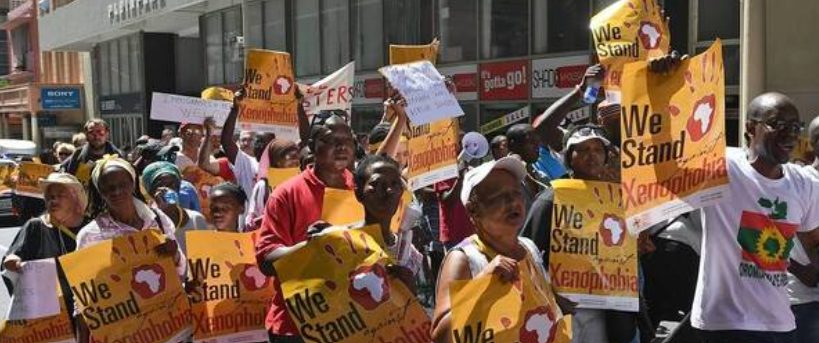
Xenophobia in South Africa: Ghana Leads Diplomatic Charge as Nigerians Slam “Weak” Response.
Source: Punch Nigeria: Nigerians Decry Weak Response to Xenophobia in South Africa | BBC: South Africa’s top envoy in Ghana summoned
The Gist
A fresh wave of xenophobic violence in South Africa has ignited a diplomatic firestorm across the continent. While the South African government has promised a crackdown on perpetrators, neighboring nations are taking drastically different approaches. Ghana has taken a decisive lead, summoning South Africa’s top envoy and announcing plans to relocate its citizens at the state’s expense. In contrast, the Nigerian government’s advisory—urging its citizens to “stay indoors”—has been met with fierce criticism from Nigerians who describe the response as “passive” and “weak” compared to Ghana’s assertive stance.
Our Take
This is a pivotal moment for African diplomacy. For years, Nigeria has been seen as the “Big Brother” of the continent, but the current crisis shows a significant shift in leadership. Ghana’s proactive protection of its citizens is setting a new standard for how African nations should hold each other accountable. The real story here isn’t just the violence—it’s the erosion of Nigeria’s diplomatic influence and the rise of a more assertive, citizen-centric foreign policy from smaller nations. As South Africa approaches its November 2026 elections, expect these tensions to be exploited by political actors, making firm diplomatic intervention more critical than ever.
Continental Reactions at a Glance:
•Ghana: Summoned South African envoy; relocating threatened citizens; demanding swift investigations.
•Nigeria: Issued “stay indoors” advisory; criticized by citizens for lack of assertive action.
•African Union: Facing calls from civil society groups (like GloMeF) to intervene and send a clear message against lawlessness.
•South Africa: Vowed a crackdown; President Ramaphosa has urged immigrants to “respect traditions” while promising safety.